
Imported Seafood
₨ 18,500 Original price was: ₨ 18,500.₨ 15,700Current price is: ₨ 15,700.
Imported Seafood Straight from the Source
These days, people in Pakistan are increasingly opting for imported seafood. Everyone wants something fresh and different. The most asked ones? Norwegian salmon fillet and caviar. Both are high-end, and both taste amazing.
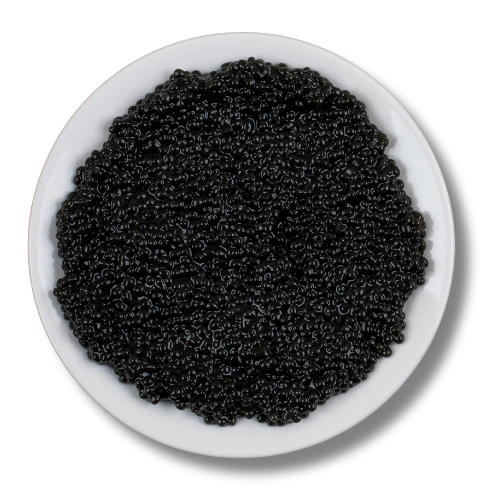
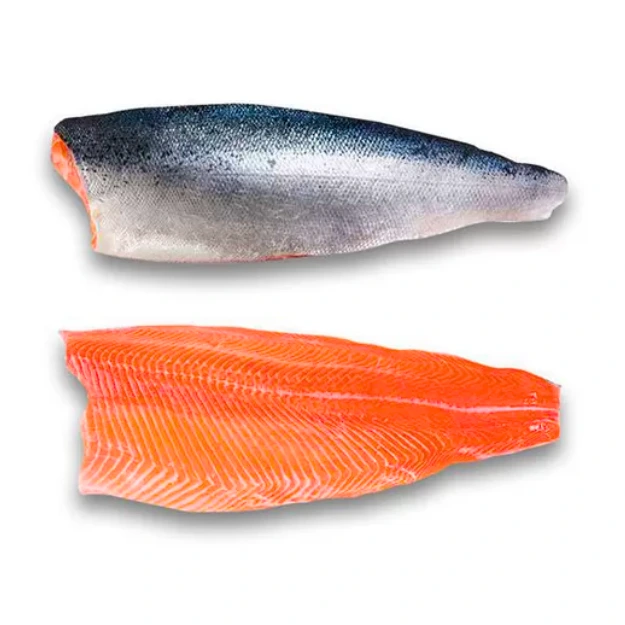
The Norwegian salmon fillet is tender, juicy, and bursting with flavor, not like local fish. You grill, bake, or even fry it, and it stays tender and clean. Then there’s caviar, small black pearls, rich, salty, a bit fancy but worth it. If you’re buying imported seafood in Pakistan, always inspect it carefully. Salmon should be firm and shiny. Caviar should smell fresh, not strong.
You don’t need a fancy restaurant for this stuff. The Norwegian salmon fillet is easy: a bit of butter, garlic, and lemon, and you’re done. A good source of protein and Omega-3 as well. Healthy and tasty, both.
Now, caviar, that’s not for cookin', that’s for showing off. Serve it cold with crackers or bread, or eat it plain for the true taste. Imported seafood in Pakistan, like this, gives a completely different vibe to the table.
Imported Seafood Prices in Pakistan
Everyone asks about prices. Well, it changes, honestly. The price of Norwegian salmon fillets depends on the cut, size, and freshness. The price of caviar in Pakistan has always been higher. It’s a luxury, comes in small tins, and is imported in limited quantities.
You can find these in Karachi's fish markets or in online seafood stores. Just make sure to buy from someone you trust. Keep salmon cold and eat it in a day or two. Caviar should always be kept sealed and chilled.
If you like clean, rich-tasting seafood, this is the real deal. The Norwegian salmon fillet gives that smooth, buttery flavor and loads of Omega-3. The caviar is pure class, high in protein, and feels like something special.
Once you try imported seafood in Pakistan like these two, it’s hard to go back. You’ll feel the difference, texture, taste, and even smell. That’s what real seafood should be.
FAQs
1. Where do you import your seafood from?
We import premium seafood from Norway and other trusted global sources.
2. Is imported seafood safe to eat?
Yes, all imported seafood is certified, hygienic, and handled carefully.
3. How do you maintain the freshness of imported seafood during transit?
We use cold-chain transport to keep seafood fresh and flavorful.
4. What types of imported seafood do you offer?
We offer Norwegian Salmon Fillet and premium-grade Caviar products.
5. Does imported seafood taste different from local seafood?
Yes, imported seafood offers richer texture and a more refined flavor.