
Best Fish Tawa Fry Recipe, Crispy And Juicy
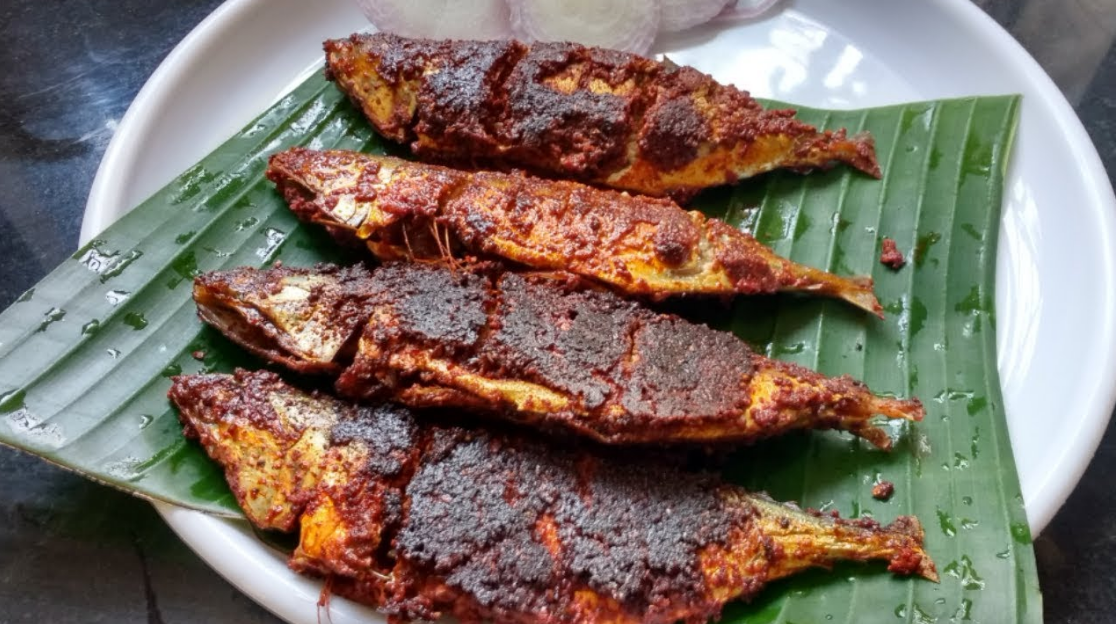
Cooking a perfect fish fry recipe requires attention, not guesswork. Many beginners underestimate technique and focus only on spices. Real flavor comes from controlling heat, timing, and preparation. Mastering these basics improves every fish tawa fry recipe instantly. Understanding the method first helps anyone learning how to make fish fry.
Why Technique Matters First
Traditional coastal cooks treat frying like a precise craft. They watch oil behavior carefully before adding fish pieces. Small observations prevent big cooking mistakes later. Experience teaches signals that recipes rarely explain clearly. This guide explains everything stepwise for reliable results.
Ingredients For Best Results
The quality of ingredients always decides whether frying succeeds or fails. Fresh fish gives firmness, flavor, and better texture overall. Frozen fish sometimes release water, ruining crust formation. Spices should be fresh and properly stored for potency. A good oil choice also affects aroma and final taste.
Fish Marinade
- 500 grams of firm fish slices
- 1 teaspoon salt
- 1 teaspoon red chili powder
- Half a teaspoon of turmeric
- 1 tablespoon lemon juice
- 1 tablespoon ginger garlic paste
Coating Mix
- 3 tablespoons rice flour
- 2 tablespoons semolina
- 1 teaspoon coriander powder
- Half a teaspoon of cumin powder
For Frying
- Oil for shallow frying
Importance Of Marination
Marination stage builds internal flavor, not just surface taste. Salt, acid, and spices slowly penetrate delicate fish flesh. Skipping rest time leaves seasoning only outside. Proper rest improves every fish fry recipe dramatically. Patient cooks always wait before heating the pan.
Preparing Fish Properly
Before adding the spice mixture, make sure the fish is completely dry. Any moisture on the surface can prevent the spices from sticking properly and may cause the oil to splatter while frying, which can be messy and unsafe.
The easiest way is to pat the fish dry gently with paper towels. Handle each piece carefully so it stays whole. Fish that breaks apart during cooking not only looks unappetizing but also cooks unevenly, leaving some pieces overdone while others are undercooked. Taking this small extra step ensures your fish stays attractive, cooks perfectly, and absorbs the flavors of the spices evenly.
Coating Secrets For Crisp Texture
The coating layer protects fish while forming a crisp shell. Texture contrast defines a memorable fish tawa fry recipe. Rice flour creates a light crust without heaviness. Semolina adds crunch that stays longer after frying. Mixing both gives a balanced coating structure.
Spread coating evenly so every surface gets covered. Uneven coating leads to patchy browning and soft spots. Press gently, never force coating onto flesh. Force breaks fish and loosens natural fibers. Careful coating improves presentation and mouthfeel together.
Choosing The Right Pan
Pan choice influences heat distribution more than people realize. Thick tawa holds steady temperature for consistent frying. Thin pans overheat quickly and burn spices fast. Stable heat is essential for any fish fry recipe. Professionals prefer heavy pans for this reason.
Understanding Oil Temperature
Oil must heat properly before the fish touches the surface. Lukewarm oil absorbs into the coating, making fish greasy. Overheated oil burns spices before the fish cooks inside. Medium heat works best for learning how to make fish fry. Correct temperature sounds like gentle sizzling, not loud crackling.
Step-by-Step Frying Method
Place fish away from you to avoid oil splashes. Always lay pieces slowly instead of dropping quickly. Sudden drops disturb coating and temperature balance. Leave space between pieces for proper airflow. Crowded pans steam fish instead of frying. The first side needs patience and should remain untouched. Moving early tears, crust, and sticks coating. Wait until edges look crisp and golden. Then flip gently using a flat spatula support. One flip is enough for a perfect fish tawa fry recipe.
Timing And Doneness
Cooking time depends on thickness, not only weight. Thin slices cook faster and dry sooner. Thick cuts need slightly longer controlled heat exposure. Overcooking removes juiciness and toughens the texture badly. Perfect fish stays moist, flaky, and tender inside.
Flavor Balance Guide
Spice balance determines the final impression more than quantity. Too much chili hides natural seafood sweetness. Too little salt makes flavors feel dull. Lemon juice at the end brightens the whole fish fry recipe. Fresh herbs add aroma without overpowering the main taste.
Best Fish Types For Frying
Choosing the right fish variety prevents breakage during frying. Firm species hold shape and absorb spices better. Soft varieties require extra gentle handling always.
| Fish Type | Texture | Result |
| Rohu | Firm | Crispy outside soft inside |
| Surmai | Dense | Meaty bite rich flavor |
| Tilapia | Tender | Light texture quick cooking |
Serving Suggestions
Serve immediately because the crisp texture fades quickly. Resting too long traps steam under the coating. Steam softens the crust and reduces the crunchiness fast. Fresh serving defines the success of how to make fish fry. Simple sides complement flavor without distraction. Mint chutney adds freshness and a cooling contrast. Onion rings provide crunch beside juicy fish. Lemon wedges allow guests to adjust acidity easily. Light salad balances the richness of the fried coating.
Common Mistakes To Avoid
Common mistakes are often repeated among beginner cooks. High flame is the most frequent frying error. Impatience during marination also weakens flavor depth. Turning fish repeatedly destroys the crust structure. Ignoring pan choice causes uneven browning problems.
Professional Frying Tricks
Professionals test oil using a tiny coating pinch. If it rises slowly, the oil needs more heating. If it darkens instantly oil is overheated. This simple test improves every fish tawa fry recipe. Practice builds intuition faster than memorizing instructions.
Health And Oil Control
Shallow frying uses less oil than deep frying. Less oil means a lighter dish and a cleaner taste. Good technique reduces grease absorption significantly. Balanced frying keeps the meal satisfying, not heavy.
Cultural Cooking Insight
Coastal households treat fried fish as comfort food. Families often share techniques across generations proudly. Each region adjusts spices slightly for local preference. That diversity keeps fish fry recipe traditions alive.
Storage And Reheating Tips
Leftover fish should cool before being stored properly. Store pieces in an airtight container inside the refrigerator. Proper storage prevents odor spreading to other foods. Consume leftovers within two days for safety. Reheating requires a dry pan, not microwave heating. Microwave softens the crust and ruins the texture quickly. Pan reheating restores crispness without extra oil.
Spice Variations To Try
Spice blends can change depending on regional taste. Southern styles add curry leaves for aroma. Northern styles sometimes include carom seeds. Smoked paprika creates a modern twist to the flavor profile. These variations keep the fish fry recipe interesting.
Troubleshooting Guide
If the coating falls mixture lacked moisture binding. Add a little gram flour next time for adhesion. If the fish sticks pan oil was insufficient. Nonstick or cast-iron surfaces reduce sticking risk. If the taste feels flat, increase the salt slightly. If too spicy, squeeze lemon before serving.
Skill Building Advice
Skilled cooks rely on their senses more than timers. Sound, smell, and color guide decisions constantly. Observing these signals perfects the fish tawa fry recipe results. Confidence grows when senses replace strict measurements.
Practice Makes Perfect
First attempt may feel challenging, but improves quickly. The second attempt usually shows visible progress. Skill grows once timing and heat become familiar. Mastery arrives when the process feels natural and calm. Beginners should start with small batches first. Smaller batches help maintain oil temperature stability. Large batches drop heat and cause sogginess. Controlling batch size improves how to make fish fry. Confidence develops gradually through repeated cooking sessions. Mistakes teach faster than perfect attempts ever could. Stay attentive, and frying becomes an enjoyable process. Soon, your fish tawa fry recipe rivals restaurant versions.
Final Thoughts
Anyone can succeed after understanding how to make a fish fry. Master the technique once, and every batch improves automatically. Consistency defines success in any fish fry recipe. Practice patiently, and results will reward effort.