
Traditional Fish Curry Recipe (Pakistani Style) – Authentic and Flavorful
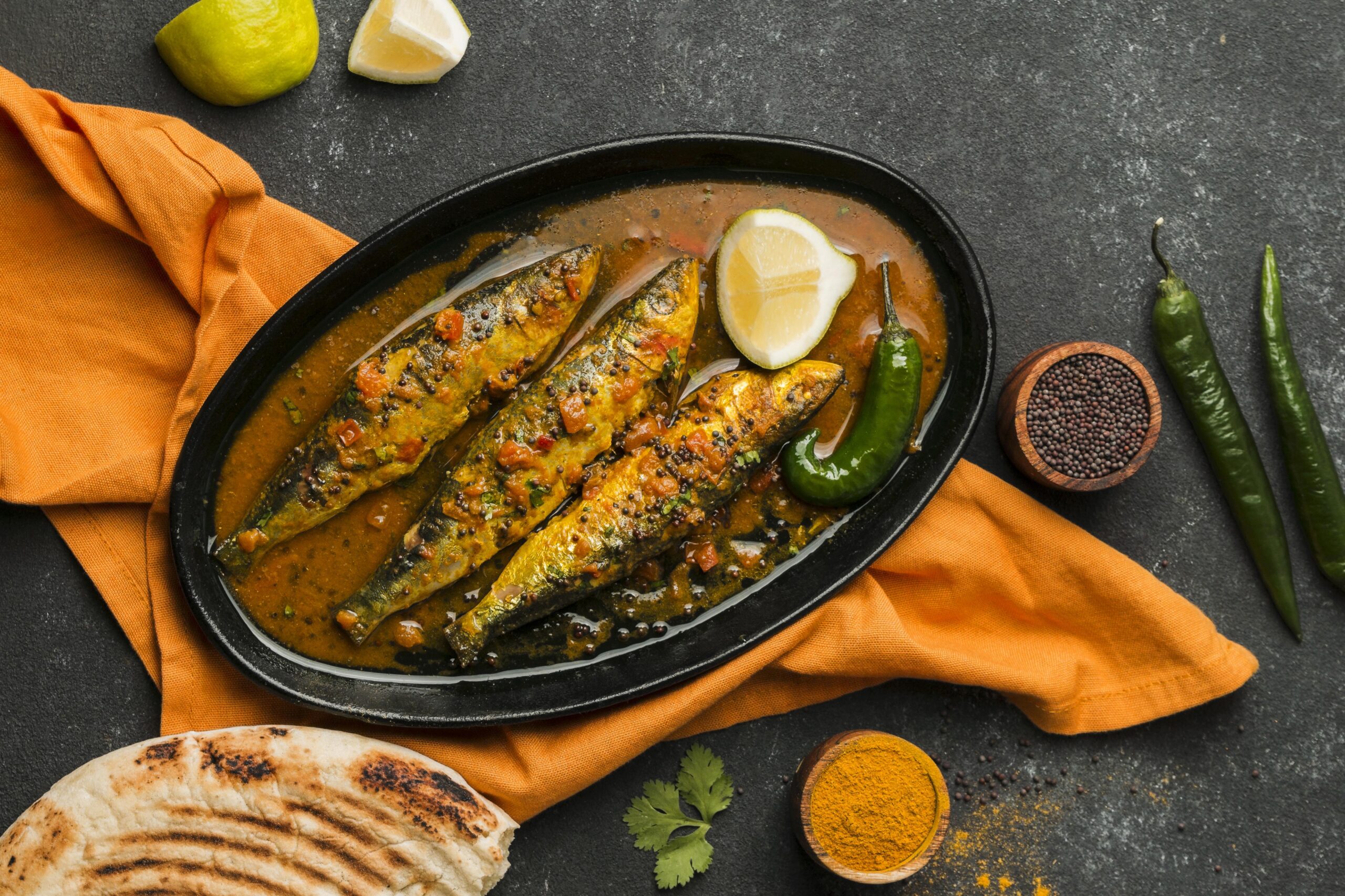
Cooking a real fish curry recipe is not casual kitchen work, honestly. It needs good timing, the right heat, proper spice order, and a little instinct working together. Many people think curry means throwing everything into a pot randomly. That idea fails fast once the fish gets overcooked and breaks apart. Fish is soft and delicate, not tough like beef. Respecting that difference changes the final taste a lot.
Good cooks rarely rush a traditional fish salan recipe. They know flavor builds slowly, not all at once. Taste comes in layers, honestly. If the base is weak, the whole curry feels flat later. That is why elders insist on patience while cooking masala. They are not being dramatic. They just want the curry to taste right
Understanding Before Cooking
Every authentic fish masala recipe follows a clear order. Oil heats first because spices release flavor better in oil. Onions cook next because browning makes them sweet and rich. Tomatoes come after because they balance taste and make the gravy smooth. Spices go in once the moisture reduces. Fish goes last because it cooks very fast.
Skipping steps ruins balance quickly. Many beginners add everything together, thinking it saves time. Time saved means flavor lost, honestly. Traditional cooking is a slow effort, but worth it.
Ingredients You Need
Fish Prep
- 500 grams of firm fish pieces
- 1 teaspoon salt
- Half a teaspoon of turmeric
- 1 tablespoon lemon juice
Curry Base
- 3 tablespoons oil
- 1 large sliced onion
- 2 chopped tomatoes
- 1 tablespoon ginger garlic paste
Spices
- 1 teaspoon chili powder
- 1 teaspoon coriander powder
- Half a teaspoon of cumin powder
- Half a teaspoon of turmeric powder
- 1 teaspoon garam masala
- Salt to taste
Finishing
- Fresh coriander leaves
- 2 slit green chilies
Simple ingredients, honestly, but the method decides everything.
Step-by-Step Cooking Guide
Step One: Prepare Fish
Rub fish with salt, turmeric, and lemon juice gently. Let it rest for at least fifteen minutes. This removes smell and makes the fish slightly firm. Many people skip this and later wonder why their taste feels dull.
Step Two: Brown Onions
Heat oil on medium flame, not high. Add onions and cook until deep golden brown. Not pale. Proper brown. This step gives the whole fish gravy recipe its main flavor. If onions stay light, the curry tastes weak.
Add ginger garlic paste and cook until the strong smell fades.
Step Three. Cook Tomatoes
Add tomatoes and stir sometimes. They release water first, then thicken slowly. Cook until oil shows on the sides. That means the base is ready.
Step Four. Add Spices
Add chili powder, coriander, cumin, turmeric, and salt. Stir carefully so spices do not burn. If the mixture sticks, add a splash of water. This step is the heart of a strong fish curry recipe taste.
Step Five. Make Gravy
Pour one cup of water and mix. Let it simmer gently. Gravy should be medium, not too thick, not watery. Good gravy helps fish absorb flavor evenly.
Step Six. Add Fish
Place fish pieces gently into the gravy. Do not stir hard. Fish breaks easily. Cover and cook on low heat for about eight minutes. Time depends on thickness. Overcooking makes fish tough.
Step Seven. Finish
Sprinkle garam masala, coriander leaves, and green chilies. Turn off the heat. Let the curry rest for five minutes, slightly uncovered. Resting helps the flavor settle nicely.
Texture Tips
Fish cooks fast. That means timing matters a lot. Properly cooked fish stays soft and flaky. Overcooked fish becomes dry and hard.
Use a wide pan if possible. Wide pans cook fish evenly. Narrow pots stack pieces and cook unevenly. Small choice, big difference, honestly.
Tips for Extra Flavor
Even after following the steps, a few small touches can make your fish curry taste even better.
First, use fresh ginger and garlic instead of store-bought powders. Fresh ingredients give a stronger aroma and depth to the gravy.
Second, always toast your spices lightly in the oil before adding water. This releases their natural oils and makes the curry smell amazing. Don’t skip this, even if you are in a hurry.
Third, let the curry rest for a few minutes after cooking. Fish absorbs flavors better when it sits for a little. Cover it slightly and don’t stir too much. This makes each bite rich and balanced.
Fourth, adjust salt and lemon at the end. Sometimes the base needs a touch more sourness or salt to balance the flavors. Taste slowly and carefully. Small changes can fix everything.
Finally, garnish generously. Fresh coriander leaves and green chilies not only look good but give freshness and a slight kick that lifts the whole dish. Presentation matters because food that looks good always feels more delicious in the mind.
Pairing Your Fish Curry
Fish curry tastes best with soft, plain rice that soaks up the gravy. You can also serve it with naan or roti, but rice spreads the flavors evenly. Add a slice of lemon on the side if you like a little tang. Some people enjoy raw onions or cucumber on the side for crunch, which complements the soft, flavorful fish perfectly.
Choosing the Right Fish
Some fish hold shape better in curry.
| Fish | Behavior | Result |
| Rohu | Firm | Traditional taste |
| Kingfish | Dense | Rich bite |
| Pomfret | Soft | Light curry |
Firm fish works best for a reliable fish salan recipe.
Flavor Balance
Good curry balances salt, sourness, spice, and richness. If one taste is too strong, the dish feels off. Skilled cooks adjust salt or lemon at the end. A small change can fix everything, honestly.
Common Mistakes
- People rush to buy onions.
- They add fish too early.
- Some add too many spices.
- Others add too much water.
These mistakes quietly ruin taste. Simple rule. Care beats hurry always.
Serving Tips
Serve hot with rice, ideally. Rice absorbs gravy and spreads flavor in every bite. Bread also works, but rice shows that the sauce tastes better. Add a lemon slice if you like. Raw onion on the side adds nice crunch.
Looks matter too, honestly. Food that looks good tastes better in the mind.
Why Traditional Method Still Wins
Shortcuts exist now everywhere. Ready pastes, instant mixes, fast cooking tricks. They save time but reduce flavor depth. Traditional cooking still tastes richer. That is why elders stick to it. They care about the result.
A well-made fish masala recipe proves patience matters.
Final Thoughts
Cooking real fish curry is simple once you learn the order. After practice, it feels easy and natural. Master one good fish gravy recipe, and you can change spices or herbs anytime. The base stays strong.
That is why traditional Pakistani fish curries never go out of style. They work. Every time.